
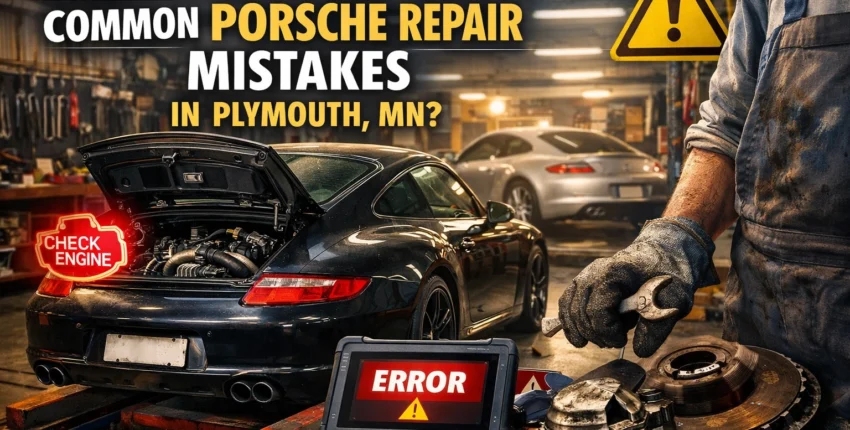
Owning a Porsche is more than a choice in transportation; it is a commitment to a legacy of precision engineering and high-performance heritage. Whether you are navigating the winding roads around Lake Minnetonka or commuting through Plymouth, your vehicle represents the pinnacle of German automotive design. However, that very sophistication means that the margin for error during maintenance and repair is razor-thin.
For many enthusiasts in the Twin Cities, the excitement of ownership can occasionally be clouded by the complexities of specialized service. At Imola Motorsports, we frequently encounter vehicles that have suffered not from a lack of care, but from the wrong kind of care. When a high-performance machine is treated like a standard commuter vehicle, its longevity and performance integrity are immediately compromised.
Below, we explore the most common Porsche repair mistakes and why a specialized approach is the only way to protect your investment.
1. The Generalist Shop Fallacy
The most frequent mistake a Porsche owner can make is assuming that a general European repair shop has the specialized tools and knowledge required for the brand’s unique architecture. While many shops are competent with standard sedans, a Porsche requires dealership-level diagnostic software and technicians who understand the “why” behind the engineering.
Modern Porsche models utilize complex communication networks between the Engine Control Unit (ECU), transmission, and active suspension systems. A generalist may clear a fault code without identifying the underlying mechanical “why.” At Imola Motorsports, our dealership-trained technicians utilize the same high-level diagnostics found at the factory, ensuring that we aren’t just treating symptoms, but preserving the vehicle’s fundamental health.
2. Ignoring the IMS Bearing Warning Signs
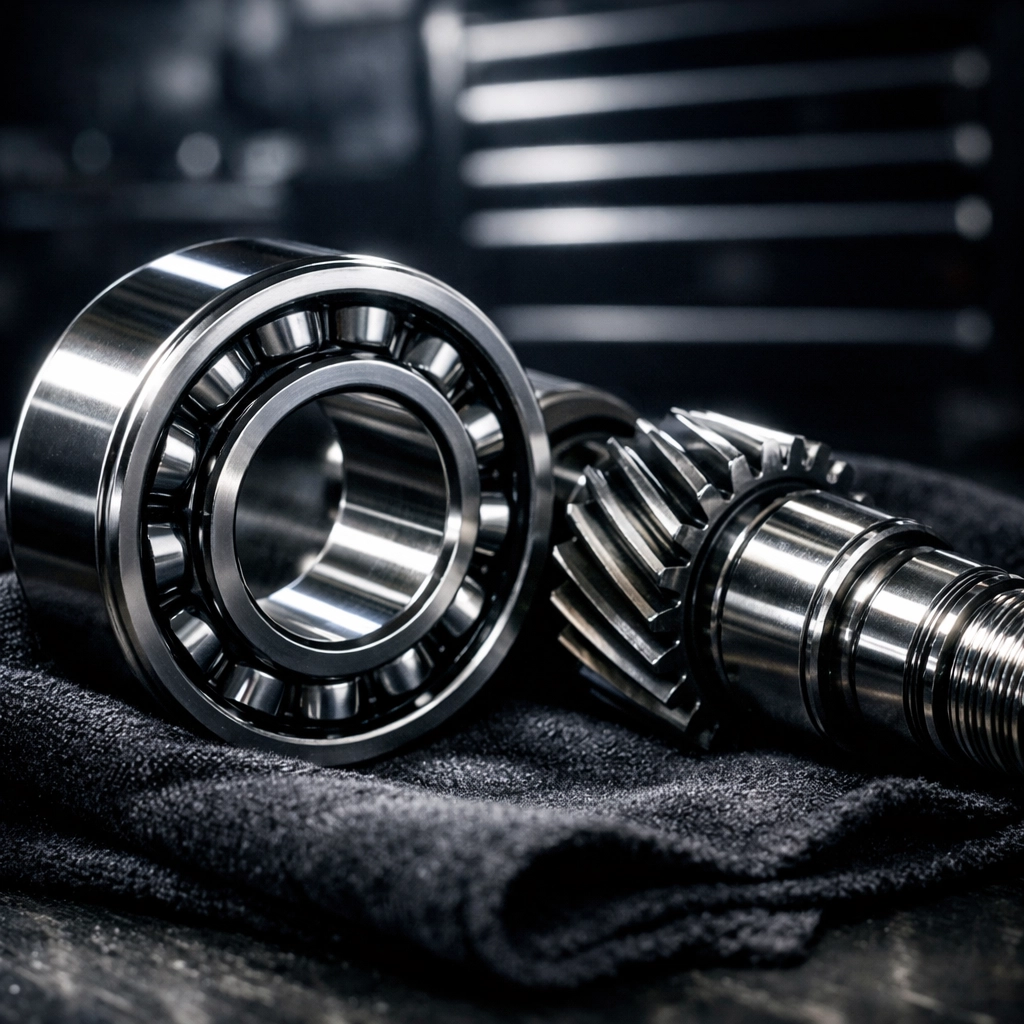
For owners of the 996 and early 997 generations of the 911, as well as early Boxster and Cayman models, the Intermediate Shaft (IMS) bearing is a critical point of discussion. The mistake isn’t just ignoring the issue: it’s failing to take proactive measures before a catastrophic failure occurs.
The IMS bearing supports the intermediate shaft, which drives the camshafts indirectly off the crankshaft. If this bearing fails, the timing of the engine is lost, often resulting in complete engine destruction.
The Solution: Rather than waiting for a metallic rattle or oil leaks, proactive owners opt for ceramic or updated bearing retrofits. This is a highly technical major mechanical repair that requires precision and experience. Addressing this during a clutch replacement or a scheduled service is an investment in your engine’s survival.
3. Compromising with Non-OEM Parts
In an effort to manage the costs of ownership, some owners turn to “OEM-equivalent” or aftermarket parts for critical systems. While this may seem logical for a windshield wiper blade, it is a dangerous gamble for components like brake sensors, ignition coils, or suspension bushings.
Porsche components are manufactured to “tighter tolerances” than standard automotive parts. An aftermarket sensor might send a signal that is slightly “off,” leading to poor fuel mapping or erratic shifting in a PDK transmission. To maintain the legendary “feel” of your car, we insist on Original Equipment Manufacturer (OEM) parts. This ensures that every component fits and functions exactly as the engineers in Stuttgart intended, preserving the car’s resale value and driving dynamics.
4. Neglecting the Cooling System and Plastic Degradation
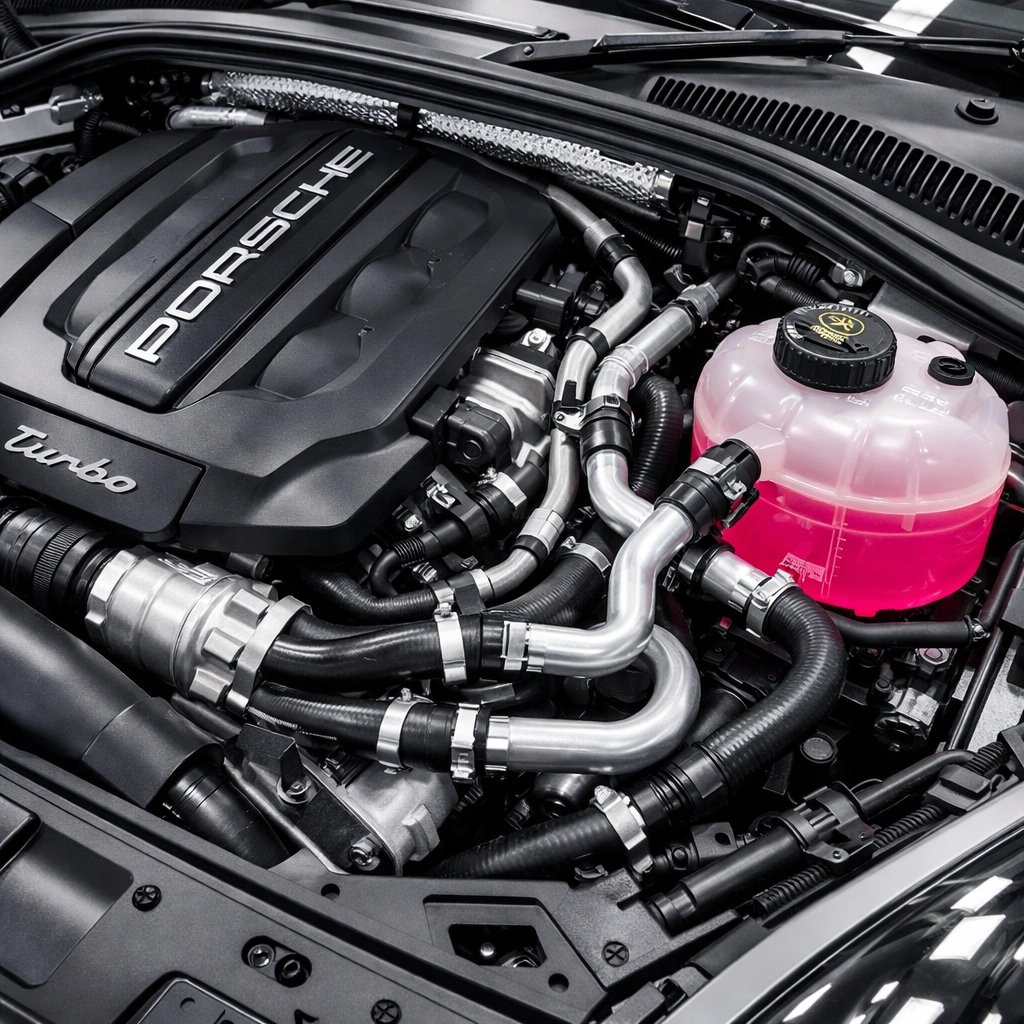
Porsche models like the Cayenne and Panamera are marvels of luxury and power, but they are known for specific cooling system vulnerabilities. Specifically, the use of plastic coolant pipes and distributor blocks can lead to trouble. Over time, the heat cycles of a high-performance engine cause these plastic components to become brittle and eventually crack.
Many owners mistake a small coolant scent for “normal” operation until they are stranded on the side of Highway 494. A specialized technician knows to perform regular pressure tests and look for the tell-tale signs of crusty white residue around the valley of the engine. Upgrading these components to aluminum or newer reinforced versions prevents the overheating that can warp heads and ruin a perfectly good engine.
5. Overlooking Specialized Fluid Requirements
Your Porsche is not a candidate for “off-the-shelf” fluids found at a local big-box retailer. The Porsche Dual-Kupplungsgetriebe (PDK) transmission, for example, is a masterpiece of shifting speed and precision, but it is extremely sensitive to fluid quality and temperature.
Using the incorrect specification of coolant, brake fluid, or engine oil can lead to:
- Seal Degradation: Incorrect chemicals can eat away at specialized gaskets.
- Varnish Buildup: High-performance engines run hot; the wrong oil will break down and leave deposits.
- Reduced Performance: Modern Porsches use variable valve timing that relies on oil pressure and cleanliness.
We follow strict factory intervals for electrical and battery systems and fluid flushes, ensuring your car performs as well at 100,000 miles as it did the day it left the showroom.
6. Delayed Suspension Maintenance and Alignment
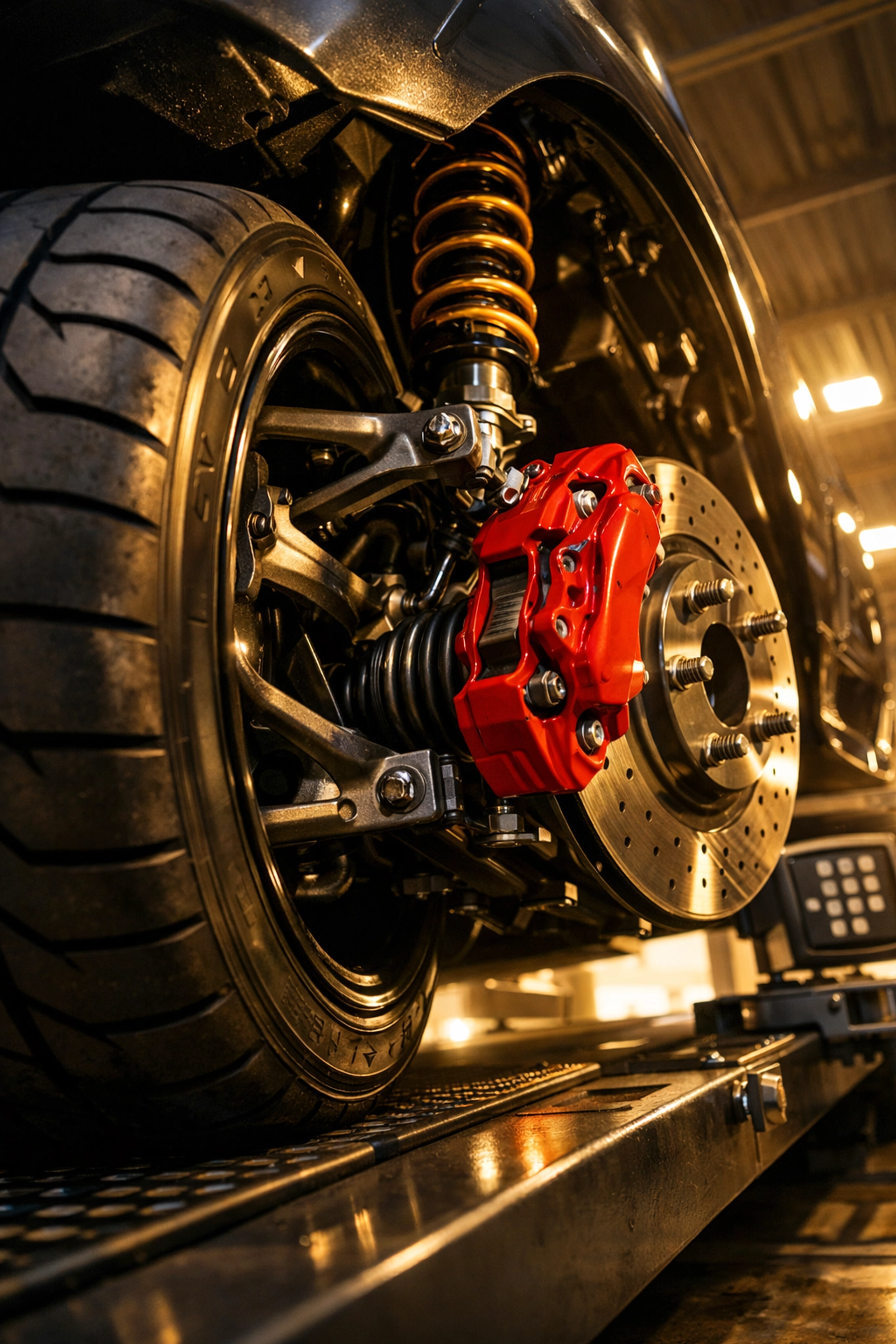
A Porsche is defined by how it “hugs the road.” That sensation is the result of a complex interplay between control arms, bushings, and adaptive dampers. A common mistake is ignoring the subtle “clunk” or the slight drift in alignment, assuming it is just a symptom of age.
Worn suspension components don’t just affect comfort; they compromise safety and accelerate tire wear. In Plymouth and the surrounding Twin Cities, our roads can be unforgiving. Regular inspections of your brake and suspension systems are essential. When you feel that the steering has lost its “sharper growl” or the car feels unsettled in corners, it is time for a professional assessment.
7. The “Wait and See” Approach to Oil Leaks
Porsche engines are remarkably robust, but they are also prone to specific oil leak points, such as the rear main seal (RMS) or valve cover gaskets. A small drop on your garage floor in Plymouth might seem minor, but in a high-performance engine, oil leaks can lead to:
- Damage to rubber hoses and belts.
- Fire hazards if oil drips onto hot exhaust manifolds.
- Low oil pressure during high-G cornering.
Addressing these leaks early is always more cost-effective than cleaning up the secondary damage they cause.
Why Specialized Care Matters in Plymouth, MN
Choosing the right partner for your Porsche service is about more than just finding a mechanic; it is about finding a steward for your vehicle’s legacy. At Imola Motorsports, we understand the emotional and financial investment you have made.
We provide:
- Dealership-Trained Technicians: Our team has spent years mastering the nuances of European engineering.
- A 24-Month Warranty: We stand behind our work with a comprehensive warranty that provides peace of mind long after you leave our shop.
- Transparency: We provide detailed digital inspections so you can see exactly what our technicians see.

Protect Your Investment Today
Don’t let a small oversight turn into a major mechanical failure. Whether you need a routine oil service, an IMS bearing inspection, or specialized tire and wheel services, we are here to help you unlock the full potential of your Porsche.
If you have questions about your vehicle’s maintenance schedule or if you’ve noticed a change in how your car handles the Minnesota roads, we invite you to reach out. Let’s ensure your Porsche remains the precision instrument it was built to be.
Ready to experience the Imola difference? Contact us today to schedule your specialized Porsche consultation.